que año! Gracias!
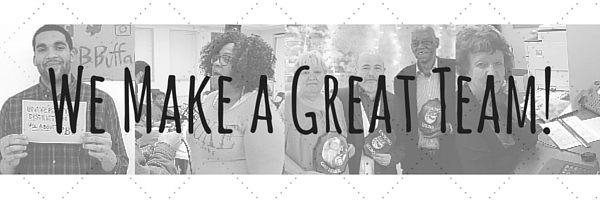
Ha sido un año excepcional para Clean Air – todo por ti! Por su compromiso con la salud pública y la justicia ambiental en nuestra comunidad, hemos hecho mucho posible, juntos.
Sostuvimos 20 bancos de telefonos, múltiples audiencias del Consejo Común, e innumerables reuniones de equipo, y luego ganó $150,000 en el presupuesto municipal para Presupuesto Participativo (PB)!
Nos preparamos para cuando NRG Huntley anunció su cierre en septiembre 2015 y ahora tenemos una oportunidad única en la vida de unirnos para construir un nuevo, economía más fuerte en Tonawanda y asegurarse de que nadie se quede atrás (por no mencionar $19 millones de la legislatura del Estado de Nueva York para comunidades que enfrentan cierres de plantas de carbón)!
Nos unimos a los residentes que viven cerca de la antigua Sitio de American Axle en East Delavan, que se enfrentan a la contaminación por PCB y otros contaminantes tóxicos
Somos reconocidos como líderes del movimiento a nivel nacional: nuestro trabajo fue presentado en El premiado programa de noticias de Al Jazeera, La corriente, y nuestro organizador, Natasha Soto, fue invitado a la Casa Blanca para ayudar a guiar la expansión de PB en los Estados Unidos
Necesitamos su apoyo continuo para este trabajo esencial.!
Nuestro trabajo no solo se ve bien en el papel – está creando un cambio significativo y duradero. No podríamos haber hecho que nada de esto sucediera sin ti!
Con tu regalo de hoy, podemos imaginar un futuro brillante para el sitio de Huntley Coal; expandir el Presupuesto Participativo en toda la ciudad; y sigamos luchando por la justicia ambiental en los vecindarios de todo el oeste de Nueva York.
Su generoso apoyo today asegura nuestro éxito continuo mientras trabajamos por un futuro más saludable y más justo para todos nosotros!
¿Qué pasa en el antiguo sitio de GM Saginaw/ American Axle??
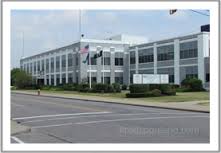
Existe cierta confusión con respecto al antiguo GM Saginaw/ American Axle Complex en 1001 Avenida Delavan Este; confusión sobre si los residentes que viven cerca de la instalación deben preocuparse por su salud y/o seguridad. Durante aproximadamente un año, Clean Air ha estado abogando con los residentes que desean tener cierta claridad sobre los desechos heredados del sitio y si se ha realizado o no una limpieza o se está planificando para el sitio Superfund..
La Respuesta Ambiental Integral, Compensación, y Ley de Responsabilidad — también conocido como CERCLA o Superfund – pasado en 1980 proporciona un federal “Superfondo” para limpiar sitios de desechos peligrosos no controlados o abandonados, así como accidentes, derrames, y otras emisiones de emergencia de contaminantes y contaminantes al medio ambiente. 1001 East Delevan Avenue era donde los ejes traseros, forjas de varillaje de dirección, ejes de accionamiento, los sistemas de dirección y los componentes relacionados se ensamblaron para la fabricación de automóviles. La instalación también albergaba 6 quemadores de aceite, equipo de mecanizado, equipo de pintura y una planta de tratamiento de aguas residuales.
Ha habido muchos planes para limpiar el sitio de bifenilos policlorados peligrosos (PCB) y materiales extraíbles de n-hexano (Aceite & Grasa) presente en el sitio, pero finalmente el sitio no ha sido limpiado y los desechos peligrosos no han sido removidos debido a los gastos- ambas empresas se declararon en quiebra.
Además de los residuos heredados, ya que 2013, 1001 East Delavan es también el hogar de nuevos fabricantes industriales: Galvstar, que fabrica acero galvanizado especializado; Lubricantes Niágara, fabricante de lubricantes especializado en lubricantes industriales y mayoristas; y Ontario Specialty Contracting Group (OSC) Fabricación & Servicios de equipos.
El grupo de residentes con el que Clean Air ha estado trabajando está preocupado por los contaminantes que las nuevas plantas industriales están agregando al sitio y al medio ambiente, además de los riesgos adicionales que estos nuevos contaminantes agregan cuando se combinan con los desechos heredados.. Sin mencionar el riesgo de emergencias o incendios industriales cuando se considera la historia de Niagara Lubricant en otros vecindarios residenciales..
Los residentes quieren tener una mejor idea de lo que están viviendo al lado y están organizando un panel de discusión que presenta:
virginia dorada, Estamos contratando un Organizador de Transición Justa
Lynda Schneekloth, Profesor Emeritus, Universidad de la Escuela de Arquitectura de Buffalo
tammy milillo, Asistente de investigación, Departamento de la Universidad de Buffalo. de Química
Natasha D.. Soto, Organizador Comunitario, Aire limpio: La organización para la Salud y la Justicia
Los participantes pueden esperar salir del panel con una mejor idea de los riesgos aún presentes en el sitio., qué agencias han estado y todavía están involucradas en el monitoreo del sitio y si hay algo que se pueda hacer para garantizar la seguridad del vecindario. El panel de discusión está abierto al público..
Cuando: jueves 22 de octubre 5:30 PM
Donde: Centro Comunitario Delavan Grider– 877 mi. Avenida Delavan
Por favor llame a Natasha al 852.3813 si necesita un aventón o tiene alguna pregunta.
Para más información sobre 1001 Este de Delavan- echa un vistazo al artículo de Buffalo News:
http://www.buffalonews.com/business/manufacturing-a-turnaround-former-american-axle-plant-on-east-side-finds-a-new-direction-20150621
Empieza el Presupuesto Participativo Buffalo!
Se anuncia el año piloto de PB Buffalo para el  Distrito de Masten
El pasado mayo, la ciudad de Buffalo asignó $150,000 del Presupuesto de la Ciudad que decidirán los residentes en el primer Proceso de Presupuesto Participativo de la Ciudad. Durante meses, el Comité Directivo, presidido por Clean Air y compuesto por miembros de Clean Air, residentes, miembros de organizaciones, clubes de bloque y asociaciones empresariales se han estado reuniendo para escribir las reglas de PB Buffalo.
El Comité ha decidido que el distrito de Masten es el distrito perfecto para el proceso piloto de PB!
Los miembros del comité votaron por el distrito de Masten en función de factores como el área geográfica, edad de los residentes, ingreso familiar promedio y demografía del distrito.
Invitamos a los residentes del Distrito de Masten, así como a los residentes de la Ciudad de Buffalo, a asistir a las Asambleas Generales para generar ideas para $150,000 valor de los proyectos para el distrito de Masten!
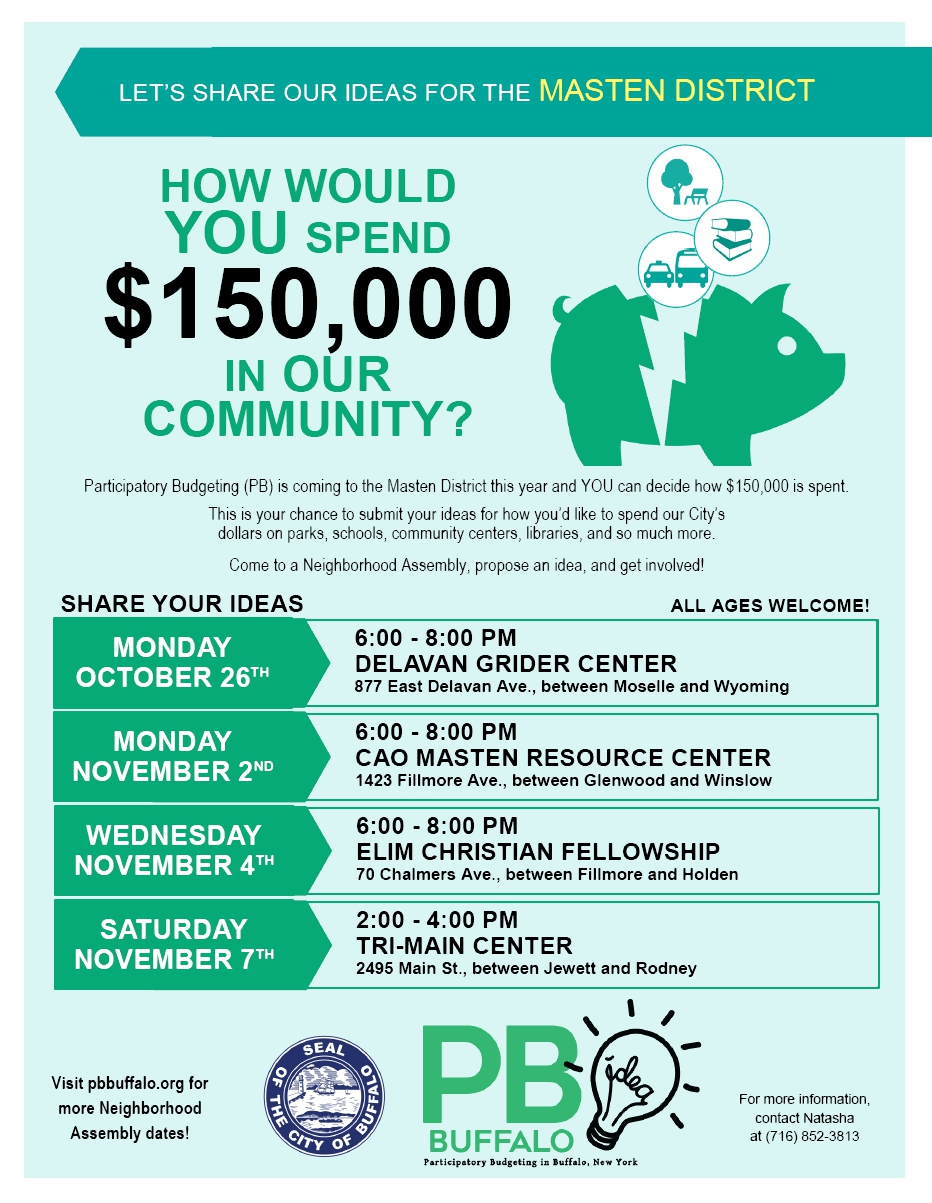
Presupuesto participativo (PB) es una forma diferente de administrar el dinero público. Es un proceso democrático en el que los miembros de la comunidad, Como tú, decidir cómo gastar parte de nuestro presupuesto público. PB da a la gente común poder real de toma de decisiones sobre dinero real.
¿Cómo funciona PB??
Residentes lluvia de ideas de proyectos, voluntarios desarrollar propuestas basadas en estas ideas, residentes entonces votar sobre propuestas, y los fondos del gobierno los mejores proyectos. Es poder de decisión real sobre el dinero real.
¿De dónde vino esta idea??
Las organizaciones comunitarias y los residentes de la ciudad de Buffalo han estado presionando para obtener más transparencia y poder de decisión sobre cómo se gasta y trabaja nuestro dinero para lograr que la Administración de Buffalo asigne $150,000 para un proceso de PB este año.
Esta es una gran victoria para los residentes de Buffalo! Ahora te necesitamos para que tu voz se escuche!
Proponer ideas, voluntario, y vota para hacer cambios en nuestra comunidad!
El cierre de la planta de Huntley puede significar una nueva historia
En Agosto 28ª NRG anunció que la planta de carbón de Huntley se retirará. Huntley actualmente paga un total de $6 millones en ingresos nuestros municipios locales. 75 los trabajadores trabajan en las instalaciones, que opera en el río Niágara.
Las instalaciones de NRG no pueden obtener ganancias con la quema de carbón. Los bajos precios del gas natural han hecho que sea casi imposible que el carbón compita. NRG declaró en su carta a la Comisión de Servicio Público, “… porque la instalación actualmente no es económica y no se espera que sea económica, NRG tiene la intención de retirar las unidades. “
Esto hace eco de las tendencias en todo el país., Las plantas de carbón están cerrando debido a la falta de crecimiento en la demanda de electricidad y los precios del carbón no competitivos..
La jubilación de Huntley es una historia familiar para nosotros en el oeste de Nueva York. Por el último 40 años nuestra región ha experimentado cierres de plantas. Se han perdido puestos de trabajo, los jóvenes se han ido a trabajar a otra parte, y nuestra base imponible se ha reducido. Cualquiera que esté familiarizado con esta historia sabe cómo podría terminar la historia de Huntley: con más pérdidas y una planta abandonada ubicada en un tercio de la costa de Tonawanda..
Podríamos esperar y ver cómo se desarrolla la misma historia, o podemos trabajar para algo diferente. Por más 18 meses nuestra coalición ha trabajado para prepararse para este anuncio:
- En Enero 2014 se encargó un informe sobre las finanzas de la planta, y descubrió que la instalación estaba perdiendo dinero. Realizamos asambleas comunitarias, compartió el informe y generó ideas sobre cómo cuidar a las personas en caso de jubilación.
- En junio de 2014 llevamos a cabo una Conferencia de Transición Justa donde los expertos compartieron ideas sobre cómo otras comunidades se han enfrentado a desafíos similares.
- Se estableció un grupo de partes interesadas, y se ha reunido durante más de un año para crear un plan proactivo de Transición Justa. Este plan incluye recursos para ingresos, recursos para los trabajadores, y comienza el proceso para el desarrollo económico futuro.
- Nuestro trabajo comenzó a dar sus frutos; en junio $19 millones se destinaron a municipios enfrentando cierres de plantas de carbón.
este es solo el comienzo. No se debe obligar a los trabajadores y residentes de Tonawanda a pagar la jubilación de Huntley. Es necesario proporcionar fondos temporales a la comunidad para que no se corten los servicios vitales..
A medida que continúa la sombría situación económica del carbón, necesitamos honrar el compromiso que los trabajadores del sector energético han hecho con esta región. Se deben proporcionar recursos a los trabajadores de Huntley para hacer una transición exitosa a otro empleo..
Pedimos que NRG comunique sus intenciones para el sitio, para que se pueda llevar a cabo una planificación adecuada para remediar y atraer otros negocios.
Otra empresa en el oeste de Nueva York está cerrando, y tenemos una opción. Podemos sentarnos y dejar que la misma historia vuelva a suceder., o juntos, trabajar activamente por algo mejor.
Rebeca Newberry Directora, Coalición de aire limpio
Richard Lipsitz Presidente Federación Laboral del Área de WNY
Peter Stuhlmiller Presidente Asociación de Maestros de Kenmore
Este editorial se publicó en septiembre 20, 2015 número de The Buffalo News
NRG anuncia el retiro de Huntley Coal: Coalición pide una transición justa
el 25 de agosto 2015 NRG anunció el retiro de la planta de carbón de Huntley en la ciudad de Tonawanda. Los empleados de las instalaciones 79 trabajadores y aporta ingresos significativos a nuestros municipios locales, incluido el pueblo de Tonawanda, Condado de Erie y millones para el Distrito Escolar de Kenmore Tonawanda.
La empresa alegó razones económicas para la jubilación.. “No prevemos ningún escenario en el que la planta sea económicamente viable.,dijo David Gayer, El portavoz de NRG para The Buffalo News, “Esto es un reflejo de la economía de la generación de energía.”
Durante el último año y medio, Clean Air ha estado trabajando con cientos de residentes locales y aliados, incluida la Federación Laboral de WNY y la Asociación de Maestros de Kenmore., para generar un plan en caso de este anuncio. En Enero 2014 compartimos los resultados de la profética reporte que mostró que Huntley estaba luchando financieramente y era probable que cerrara.
- en la primavera de 2014 sostuvimos 4 asambleas comunitarias que compartieron los detalles del informe, y donde los residentes y trabajadores generaron ideas sobre quién necesitaría ser atendido en caso de cierre, y cómo podemos cuidar de ellos.
- Después de las asambleas se estableció un grupo de partes interesadas, para eliminar estas ideas, y crear un plan proactivo de Transición Justa. Este plan incluye cómo recuperar los ingresos perdidos por la jubilación, ollas potenciales de dinero para proveer a los trabajadores, y un camino a seguir para comenzar la planificación del desarrollo económico a largo plazo para la Ciudad.
- en junio de 2014 llevamos a cabo una Conferencia de Transición Justa en New York State United Teachers (NYSUT) – donde los expertos en desarrollo económico y transiciones del carbón vinieron a compartir ideas sobre cómo comunidades de todo el país se han enfrentado a desafíos similares.
- En octubre 2014 El consejo editorial de Buffalo News citó nuestro trabajo y declaró “Los días de la planta parecen estar contados, al menos como existe hoy… Por eso, las entidades locales que se han vuelto dependientes de la planta podrían querer comenzar a planificar con anticipación.”
- en mayo de 2015 nosotros asociado con la Escuela de Arquitectura y Urbanismo de la UB – y los estudiantes aceptaron el desafío de imaginar cómo sería el sitio de Huntley si la planta se retira. Estas ideas se compartieron públicamente con los residentes que viven más cerca de la planta.
- En junio de este año – nuestro trabajo comenzó a dar sus frutos – y la Legislatura del Estado de Nueva York asignó $19 millones para municipios y distritos enfrentando cierres de plantas de carbón.
Ayer, cuando NRG hizo su anuncio, estábamos listos. Together, con Richard Lipsitz, Presidente de la Federación Laboral de WNY y Peter Stuhlmiller, Presidente de la Asociación de Maestros de Kenmore, lanzamos el siguiente comunicado:
“Nuestra comunidad y socios en el movimiento laboral se han estado preparando para este anuncio.. Hacemos un llamado al gobierno del estado de Nueva York para que apoye a nuestras comunidades durante esta transición financiando nuestro plan para una Transición Justa. Nuestro plan hará que nuestras comunidades estén unidas al asegurar fondos para nuestras escuelas., Compensar y cuidar a los trabajadores y familias de las plantas de carbón., y comenzar el proceso de limpieza del sitio y volver a conectarnos a nuestra línea de costa.
La comunidad de Tonawanda ha estado trabajando para desarrollar un plan de transición durante más de un año con aportes de los residentes que viven cerca de la planta., la Federación Laboral del Área Occidental de Nueva York, IBEW local 97, la Asociación de Maestros de Kenmore, y muchos otros. porque empezamos temprano, Tonawanda está bien situada para manejar la transición. Seguimos comprometidos con un proceso de planificación inclusivo”.
Únase a nosotros en nuestra reunión comunitaria el 10 de septiembre. Más detalles por venir.
EPA Fines NOCO $59,773 por violaciones de la Ley de Aire Limpio
La EPA alcanzó recientemente un convenio con NOCO Energy Corp por violaciones en las instalaciones de NOCO en Tonawanda en Grand Island Blvd..
NOCO opera una terminal de almacenamiento a granel de petróleo y productos químicos. Esta instalación almacena y distribuye petróleo líquido, asfalto, gasolina, gasolina, etanol y otros productos que contienen contaminantes atmosféricos regulados. también recoge, mezclas y comercializa aceite usado. Esta instalación tiene sesenta y ocho tanques de almacenamiento en su propiedad..
Según los datos más recientes del Inventario de Emisiones Tóxicas de la EPA, (TRI), la instalación NOCO libera más 9,517 libras. de la contaminación del aire, incluyendo los carcinógenos naftalina, benceno y compuestos aromáticos policíclicos. La instalación de NOCO también emite contaminantes que se sabe que se dirigen al sistema nervioso central. (SNC). Los datos más recientes muestran que, en 2015 NOCO emitido 2,308 libras. de tolueno, 2,684 libras. de xileno, y 535 libras. de n-hexano, todo lo cual puede causar problemas del SNC.
Muchos de nuestros miembros reconocen a NOCO por el fuerte olor a petróleo que se produce justo antes del puente Grand Island..
NOCO también ha sido encontrado en violación numerosas veces durante los últimos 5 años por violación de la Ley de Aire Limpio.
En 2014, nuestros miembros enviaron cartas al Departamento de Conservación Ambiental y a la Agencia de Protección Ambiental exigiendo más tecnología de control de la contaminación en la instalación.
Hace unos meses se anunció que la NOCO instalaría dispositivos de control de la contaminación para capturar las emisiones de sus tanques de asfalto. Está previsto que esta tecnología se instale entre 2015-2019. Se animó a Clean Air a que se implementaran controles de contaminación y solicitó al Departamento de Conservación Ambiental (Diciembre) exigir a la empresa que mejore la forma en que monitorea las emisiones, haciendo hincapié en que es necesario un buen seguimiento para garantizar que los controles de la contaminación funcionen correctamente.
Entonces, el 17 de agosto 2015, la EPA publicó un acuerdo de consentimiento que encontró a NOCO en violación de la Ley de Aire Limpio, multar a la empresa $59,773 por no monitorear la contaminación como lo exige la ley. El acuerdo también requiere que la compañía siga las regulaciones de Aire Limpio en el futuro..
Tenemos la esperanza de que esta acción tomada por la EPA reduzca el olor del Puente Grand Island y reduzca aún más las emisiones tóxicas al aire en Tonawanda..
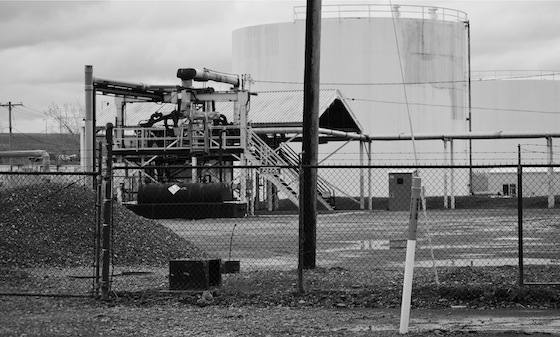
NOCO requiere instalar tecnología de control de contaminación en 6 Tanques de asfalto
NOCO Energy Corp opera una terminal de almacenamiento a granel de petróleo y productos químicos en Tonawanda. Esta instalación almacena y distribuye petróleo líquido y productos que contienen contaminantes atmosféricos regulados. Hay 68 tanques de almacenamiento en propiedad de NOCO, incluso 6 tanques que contienen asfalto.
Nuestros miembros se han quejado en numerosas ocasiones al Departamento de Conservación Ambiental con respecto a los olores de las instalaciones de NOCO..
“Hay olores constantes, etc.. Uno con el que me encuentro generalmente varias veces a la semana es uno en South Grand Island Bridges, es un petroleo bastante fuerte, y aparece allí desde territorio NOCO”.
“Para mí lo más significativo es que realmente, realmente me desagrada alguna mañana si estoy dando un paseo por el paseo del río, cerca del puente de Grand Island y, de repente, empiezo a oler un olor horrible y horrible”.
NOCO también ha sido encontrado en violaciones numerosas veces durante los últimos 5 años por violación de la Ley de Aire Limpio.
En 2014, nuestra membresía envió cartas al Departamento de Conservación Ambiental, y la Agencia de Protección Ambiental exigiendo más tecnología de control de la contaminación en la instalación.
Esta primavera, el permiso de aire del Título V de NOCO estaba listo para renovarse. Se requieren permisos de aire del Título V para todas las principales fuentes de contaminación del aire y se renuevan cada 5 años. Los permisos de aire establecen requisitos para que la instalación realice el monitoreo para que el público pueda estar seguro de que la instalación cumple con la ley y puede requerir tecnología de control para ciertos contaminantes que pueden afectar negativamente la salud de las personas..
En el nuevo permiso, NOCO está obligado a instalar equipos de control de la contaminación en estos tanques, reducir las emisiones entre 2015 y 2019!
Nuestro equipo técnico trabajó diligentemente durante un mes y medio para revisar el nuevo permiso., y exigió un mejor seguimiento de la tecnología de control de la contaminación, y pautas de aplicación más claras para los tanques de asfalto.
En julio 3rd el Departamento de Conservación Ambiental del Estado de Nueva York respondió, afirmando que la agencia estuvo de acuerdo con nuestros comentarios, y desarrollará un plan para mejorar el monitoreo del aire en NOCO!
Resumen de la cena anual!
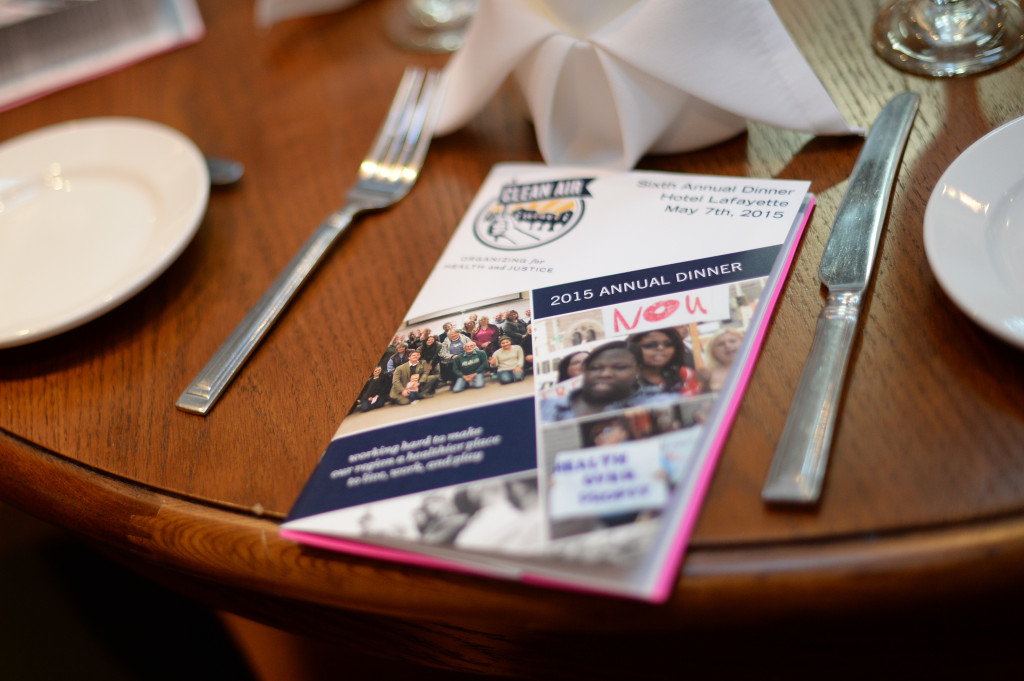
El jueves, Mayo 7, terminado 200 miembros de Aire Limpio, partidarios, y líderes comunitarios se unieron a nosotros en el Hotel Lafayette para celebrar otro año increíble de victorias arduamente reñidas por la salud y la justicia ambientales y para honrar a los ganadores de este año de nuestros premios Unsung Hero y Golden Gas Mask..
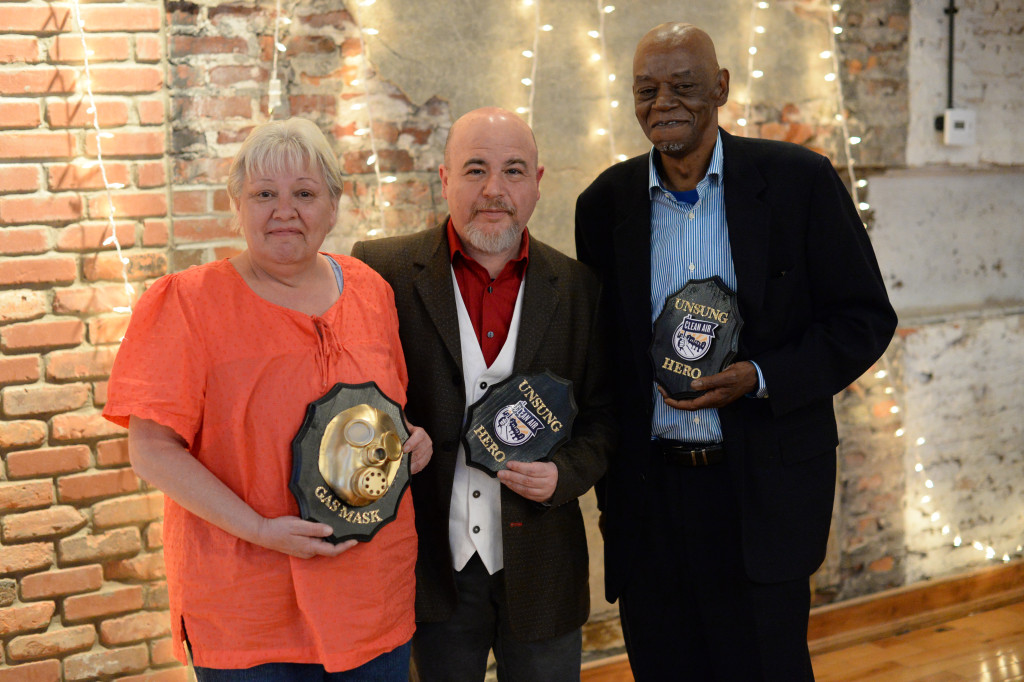
Nuestros ganadores de premios, L-R: diane lemanski, Mistretta gana, y Will Yelder
EL PREMIO AL HÉROE ANÓNIMO honra a una persona que ha demostrado un compromiso significativo con la lucha por la salud ambiental y la justicia en el oeste de Nueva York, pero cuyo trabajo puede pasar desapercibido. Esta persona ha demostrado humildad y un compromiso inquebrantable con la lucha por la salud y la justicia ambiental en la región..
EL PREMIO DE LA MÁSCARA DE GAS DE ORO honra a una persona que ha demostrado dedicación y liderazgo en la lucha por la salud ambiental y la justicia en el oeste de Nueva York. Esta persona ha demostrado un profundo compromiso con la acción en nombre de los residentes del oeste de Nueva York y ha contribuido al desarrollo de poderosas estrategias para mejorar la salud de la comunidad y el medio ambiente..
WILLIAM YELDER es miembro y voluntario de Buffalo. Will ha trabajado incansablemente en nuestro Presupuesto Participativo (PB) Campaña, entre varios otros, desde que se unió a Clean Air en 2012. PB está tratando de democratizar el dinero público en la ciudad de Buffalo para que lo decida la gente común. Ha asistido a tres conferencias de PB en todo el país.; presentado en varias conferencias, eventos comunitarios, y paneles regionales; era un 2012 Becaria Lois Gibbs; ha hecho cientos de llamadas telefónicas durante bancos telefónicos; y se ha reunido con todos los miembros del Consejo Común, el alcalde, y muchos otros legisladores locales sobre PB. Will también estuvo en el Comité del Grupo de Trabajo de PB del Ayuntamiento para explorar si la Ciudad de Buffalo puede implementar PB. Si necesitas saber algo o todo sobre PB, Will es tu chico – aunque prepárate para escuchar por un rato. Solo llámalo PB Will, es uno de nuestros destinatarios del 2015 Premio al héroe anónimo.
VINCENZO MISTRETTA ha sido el hombre detrás de la cámara en docenas de eventos de Aire Limpio desde que se involucró en 2011. Todos los videos utilizados para promover Clean Air y documentar nuestro trabajo han sido filmados., editado, y perfeccionado por Vince. Le ha disparado a la Conferencia de Transición Justa, Audiencias de Amigone, Expo Presupuesto Participativo, y muchos más. Vince también ha brindado su tiempo y energía como voluntario en varios eventos de Clean Air., ayudando al personal a construir un movimiento para una WNY más saludable. Es uno de nuestros destinatarios del 2015 Premio al héroe anónimo.
DIANE LEMANSKI se unió a Clean Air en 2013 por apoyo en la lucha contra el ruido y el polvo provenientes de una trituradora de concreto que está operando detrás de su casa en Seneca Babcock. El mantenimiento integral de registros de Diane y “No tomar prisioneros” actitud la llevó a organizar a sus vecinos para luchar por una mejor calidad de vida. La determinación y la estrategia de Diane lograron mejoras de infraestructura en su calle, Acción de ejecución de la DEC sobre la empresa, y el apoyo del Senador Charles Schumer en 2014. Diane es la destinataria del 2015 Premio máscara de gas de oro.
Gracias a todos los que asistieron, patrocinado, y apoyó nuestra Sexta Cena Anual. Visita nuestro Facebook para más fotos increíbles de la noche, cortesía de alex pescador. Un agradecimiento especial a James Heaney de Bicicleta Creativo por su apoyo en el diseño de nuestros hermosos programas de eventos que ves arriba. Si no pudiste asistir pero aun así te gustaría apoyar el trabajo de Clean Air y nuestros miembros como Will, Vince, y diane, simplemente haga clic en la pestaña Donar en la parte superior derecha: su contribución se pondrá a trabajar de inmediato para luchar por un WNY más saludable para todos..
Patrocinadores

 Allen Street Consulting
Betty Jean Grant, legisladora del condado de Erie
Buffalo CarShare
Ruedas del campus
Coalición de Sindicalistas Negros
Departamento del Colegio Canisius. de Estudios Ambientales
Acción Ciudadana
Poder comunitario para la salud y la justicia
Local de CWA 1122
Local de CWA 1168
Distrito CWA 1
Dan Schmidt, Granja estatal
consejo de distrito 4
Panepinto Dulce
Emminger Newton Paloma Magyar, Inc.
Gallagher Printing
Geico
Hip Gypsy
IBEW local 41
Cooperativa de Lexington
Lipsitz & Ponterio
Erie County Executive Mark Poloncarz
Concejal común de Buffalo Michael LoCurto
Teamsters locales 264
el senador timothy kennedy
Supervisor adjunto de la ciudad de Tonawanda Joseph Emminger
Desarrollo Tri-Principal
UB MD – Medicina Interna
Universidad de la Escuela de Enfermería de Buffalo
Federación Laboral del Área WNY
Consejo de WNY CWA
Presidente del ECDC, Jeremy Zellner
Alcances de la EPA 12 millones Liquidación Civil con Tonawanda Coke
La Agencia de Proyección Ambiental de EE. UU. y el estado de Nueva York llegaron a un $12 acuerdo de millones con Tonawanda Coke Corporation.
- $7.9 millones se utilizarán para mejorar los equipos de sus instalaciones para reducir las emisiones.
- $2.75 millones irán al Gobierno Federal y al Estado de Nueva York por sanciones civiles
- $1.3 millones serán administrados por el Estado de Nueva York para ser utilizados en proyectos ambientales locales.
“Aplaudimos el arduo trabajo y el liderazgo de la EPA de EE. UU. . Durante años Aire Limpio ha organizado a los habitantes de Tonawanda para exigir justicia. Entendemos eso $1 millones se destinarán a “Proyectos de Beneficio Ambiental. Instamos a la oficina del Fiscal General a utilizar un proceso de presupuesto participativo donde los residentes puedan generar ideas y votar sobre qué proyectos debería financiar este dinero.. Los residentes locales deben tener control directo sobre dónde se gasta ese dinero.,” dijo Rebecca Newberry, Organizador de aire limpio.
Participatory Budgeting (PB) es un proceso democrático en el que los miembros de la comunidad deciden directamente cómo gastar parte de un presupuesto público. Le da a la gente común un poder real sobre el dinero real., permitirles trabajar con el gobierno para tomar las decisiones presupuestarias que afectan sus vidas.
Enlace a la orden de consentimiento: http://www.justice.gov/enrd/consent-decree/us-et-al-v-tonawanda-coke-corporation
Lea más sobre liquidación aquí.
Clean Air se asocia con los maestros de Ken-Ton para llevar libros gratuitos a los niños!
Clean Air se enorgullece de anunciar nuestra asociación con Kenmore – Programa del primer libro de la Asociación de Maestros de Tonawanda y la Federación Laboral del Área WNY.
First Book es una organización nacional que apoya la alfabetización de los jóvenes. El 16 de mayo entre 9 y mediodía, 4,000 nuevo, Habrá libros gratuitos disponibles para que las familias los recojan en el local. 135 Salón United Steelworker en 810 Sheridan Dr.. en Tonawanda (cerca del parque Sheridan).
Necesitamos tu ayuda para correr la voz.! Los miembros de Clean Air llamarán a las familias para informarles sobre esta gran oportunidad para abastecerse de libros para leer durante el verano.! Necesitamos personas que nos ayuden a hacer llamadas.! Le proporcionaremos los números de teléfono y el guión de qué decir.. Nuestro banco de teléfonos seguirá funcionando
Martes, 12 de mayo de 12 a 16 h.
Miércoles, 13 de mayo desde 4 a las 7 p.m.
Jueves, 14 de mayo de 12 a 16 h..
ven a ayudar! Llame a Rebecca 852-3813 o envíe un correo electrónico a Rebecca@cacwny.org para informarnos que vendrá.